Line drawing is one of the most elegant, accessible, and timeless art forms in existence. With nothing more than a single pen and a blank sheet of paper, you can capture complex emotions, intricate botanical shapes, and stunning minimalist silhouettes. On platforms like Pinterest, line art has captured the hearts of millions due to its aesthetic simplicity, calming process, and modern charm.
Whether you are looking to start a new creative hobby, design custom wall art for your home, or fill your sketchbook with aesthetic spreads, this guide will walk you through 20 inspiring simple line drawing ideas. Each idea is broken down into its meaning, step-by-step instructions, creative variations, and the minimal tools required to get started.

1. Single-Line Botanical Monstera Leaf
What This Idea Means
The Monstera Deliciosa is an iconic symbol of modern bohemian decor and tropical tranquility. Creating a Monstera leaf using a single continuous line focuses on capturing the bold, iconic cutouts (fenestrations) of the leaf without lifting your pen from the paper. It teaches spatial awareness and fluid hand movement.
How to Make It
- Start at the bottom of the stem and draw a smooth upward curve to form the central vein.
- Without lifting your pen, loop around the tip of the leaf to form the top outer edge.
- As you move back down toward the base, create rounded inward cutouts along the outer edge.
- Continue the line smoothly back down to the stem, connecting the outer contour with fluid motion.
Tips & Variations
- Tip: Go slow and embrace tiny imperfections—natural leaves are rarely perfectly symmetrical.
- Variation: Add watercolor washes in shades of sage or emerald green underneath the line work for a soft pop of color.
What You Need
- Fineliner pen (0.3mm or 0.5mm)
- Smooth sketchbook or watercolor paper
- Pencil and eraser (for light initial sketching)
2. Minimalist Continuous Line Portrait Profile
What This Idea Means
Continuous line portraiture strips away facial details down to pure contour and emotion. A profile view captures the delicate curves of the forehead, nose, lips, and jawline in one unbroken gesture, creating a high-fashion, museum-worthy aesthetic.
How to Make It
- Lightly mark the hairline, forehead, nose tip, lips, and chin with a pencil as visual anchor points.
- Touch your pen to the paper at the forehead and draw a continuous line downward over the bridge and tip of the nose.
- Curve inward under the nose, out around the upper lip, in at the lip center, out for the lower lip, and around the chin.
- Flow the line effortlessly down into the neck and collarbone before gracefully sweeping off the page.
Tips & Variations
- Tip: Try doing this without looking down at your paper (blind contour drawing) to train your eye-hand coordination and create surprising, expressive shapes.
- Variation: Extend the line into abstract wild hair or leafy vine tendrils flowing from the head.
What You Need
- Archival ink pen or gel pen
- Heavyweight drawing paper
- Kneaded eraser
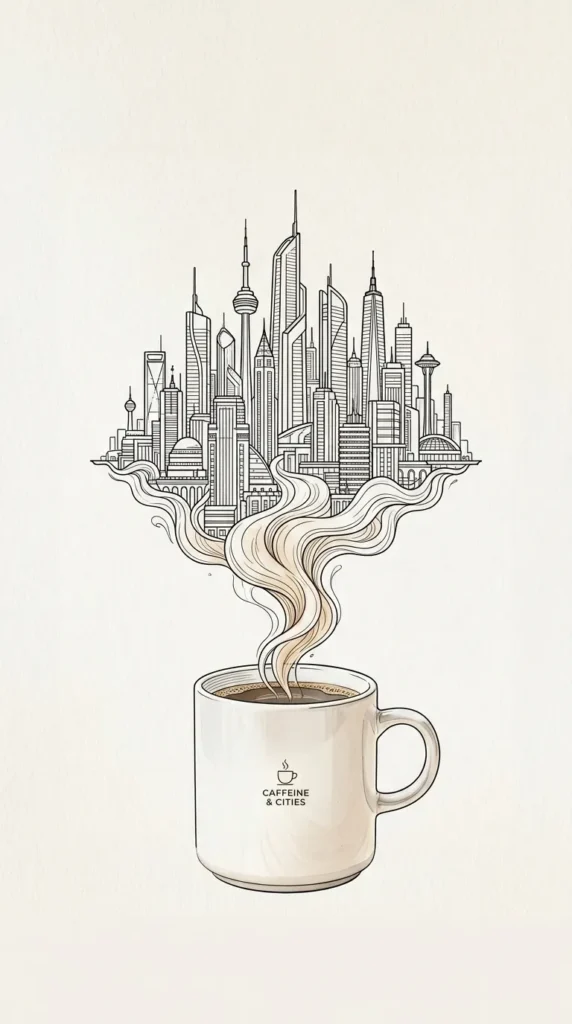
3. Delicate Coffee Cup with Rising Steam Waves
What This Idea Means
This idea captures warmth, comfort, and quiet morning rituals. A simple coffee mug or teacup paired with dancing, abstract steam lines invokes cozy visual storytelling in just a few clean strokes.
How to Make It
- Draw a wide, shallow oval for the rim of the cup.
- From the ends of the oval, draw two slightly tapering vertical lines down, curving gently at the bottom to form the cup body.
- Attach a smooth semi-circular handle to one side.
- Above the rim, draw three parallel, wavy vertical lines rising upward to represent heat and steam.
Tips & Variations
- Tip: Keep the steam lines lighter and more fluid than the cup outline to convey weightlessness.
- Variation: Draw a tiny crescent moon or heart on the front of the mug for an added touch of charm.
What You Need
- Black ink pen
- Cardstock or sketchbook paper
4. Crescent Moon Enfolded in Wildflowers
What This Idea Means
Combining celestial elements with organic florals creates a dreamy, whimsical aesthetic popular in modern line illustration. The structure of the moon grounds the composition while delicate flowers offer soft visual contrast.
How to Make It
- Draw two overlapping curved arcs to create a distinct crescent moon silhouette.
- Along the inner curve of the moon, sketch small flower stems, delicate petals, and leafy tendrils growing inward.
- Fill the body of the moon with micro-dots (stippling) or fine cross-hatching to create subtle depth.
- Finish by drawing tiny star sparkles radiating around the outer edges.
Tips & Variations
- Tip: Vary your line weight—use a thicker pen for the moon frame and a finer pen for flower details.
- Variation: Swap the wildflowers for tiny star constellations or eucalyptus branches.
What You Need
- Micro fineliners (0.1mm and 0.5mm)
- Smooth drawing card
5. Abstract Intersecting Geometric Faces
What This Idea Means
Inspired by Picasso and mid-century modern art, this idea involves overlapping two continuous face profiles so that shared lines form dual expressions. It is a playful exercise in abstract balance and shared space.
How to Make It
- Sketch a left-facing profile in the center of your page using simple geometric angles instead of round curves.
- Draw a second right-facing profile that intersects with the first, sharing the line of the nose or forehead.
- Draw geometric almond shapes for eyes and simple geometric shapes for lips where lines cross.
- Darken key intersecting lines to emphasize the overlapping portrait structure.
Tips & Variations
- Tip: Focus on negative space—let the empty areas between lines speak as loudly as the ink itself.
- Variation: Color in alternate intersecting sections with pastel acrylic markers.
What You Need
- Medium felt-tip pen
- Mixed media paper
- Ruler (optional for sharp geometric angles)
6. Elegant Sunburst Over Ocean Waves
What This Idea Means
This drawing embodies hope, warmth, and natural tranquility. The contrast between crisp, straight sunbeams and rolling, fluid ocean waves creates visual harmony that works wonderfully as wall art.
How to Make It
- Draw a semi-circle along the horizon line to represent the rising or setting sun.
- Extend thin, straight lines radiating outward from the sun like rays.
- Beneath the horizon, draw three to five rhythmic, overlapping S-curves across the page to form sea waves.
- Add small dash lines inside the waves to suggest shimmering water reflections.
Tips & Variations
- Tip: Keep the spacing between sun rays even by drawing the vertical and horizontal rays first, then filling in the diagonals.
- Variation: Encapsulate the entire design inside a clean circular or diamond border.
What You Need
- Precision fineliner
- Ruler
- Drawing pad


7. Cozy Teapot with Hanging Herb Sprigs
What This Idea Means
A cozy teapot surrounded by drying herbs evokes cottagecore charm, warmth, and domestic mindfulness. It is a delightful piece for kitchen prints or recipe journal illustrations.
How to Make It
- Draw a rounded pot shape with a small decorative lid knob on top and a curved spout on one side.
- Add a wide, graceful handle looping over the top or side.
- Above the teapot, draw a horizontal twine line with small, upside-down sprigs of rosemary, lavender, and thyme tied to it.
- Add small steam swirls ascending from the spout toward the herbs.
Tips & Variations
- Tip: Draw tiny botanical leaf details on the body of the teapot to tie the theme together.
- Variation: Place the teapot on a simple wooden table line with a small open book beside it.
What You Need
- 0.3mm waterproof ink pen
- Sketchbook
8. Whimsical Flying Paper Airplane with Dashed Trail
What This Idea Means
Paper airplanes represent freedom, travel, innocence, and creative ambition. The dashed motion line guides the viewer’s eye across the page, making it a dynamic yet minimal composition.
How to Make It
- Draw a simple elongated triangle for the main body of the paper airplane.
- Add a central crease line down the middle and two smaller angled triangles underneath to form folded wings.
- Draw a swooping, looping dashed line extending from the tail of the plane to depict its flight path across the page.
- Add small star sparkles or tiny cloud outlines near the flight path.
Tips & Variations
- Tip: Make the flight loop dynamic by varying the tightness of the curves.
- Variation: Have the paper airplane fly out of an open envelope at the bottom of the page.
What You Need
- Black gel pen
- Smooth paper
9. Blooming Rose Bud from a Single Continuous Stroke
What This Idea Means
Roses are classic subjects, but drawing a blooming rose bud in one continuous line strips away complexity, revealing the underlying spiral structure of folding petals.
How to Make It
- Start at the center of the bud with a tight, small spiral curve.
- Gradually enlarge the curves as you circle outward, creating overlapping petal arcs.
- Flow the outer petal line down into a straight stem line without lifting your pen.
- Add two simple leaf loops along the stem before sweeping off the page.
Tips & Variations
- Tip: Maintain steady pen pressure so the continuous stroke remains consistent from start to finish.
- Variation: Draw three roses of varying heights stemming from the same baseline.
What You Need
- Fine-tip technical pen
- Heavy drawing paper
10. Architectural Outline of a Cozy European Cafe Front
What This Idea Means
Architectural line drawings capture the charm of travel and urban nostalgia. By focusing on window frames, awnings, and flower boxes, you create an inviting scene without needing complex shading.
How to Make It
- Draw a large central rectangle for the storefront and top it with a striped, scalloped awning.
- Outline a cozy arched glass door and two large multi-paned windows on either side.
- Add rectangular planter boxes filled with quick flower scribbles beneath the windows.
- Place a tiny Bistro table and two simple chair outlines on the pavement outside.
Tips & Variations
- Tip: Don’t worry about using a ruler—hand-drawn imperfect lines add rustic architectural character.
- Variation: Add a cobblestone texture on the ground using scattered oval outlines.
What You Need
- 0.2mm and 0.5mm fineliner pens
- Journal or sketchbook
11. Dainty Hummingbird Hovering Near a Blossom
What This Idea Means
Hummingbirds symbolize lightness, joy, and swift grace. Capturing a hovering hummingbird with simple outlines highlights its delicate frame and motion.
How to Make It
- Draw a long, thin, slightly downward-curved needle beak.
- Curve back over a tiny head, smooth back, and slender tapered tail feathers.
- Draw two sleek, angled wing shapes extended upward to convey hovering motion.
- Position a simple five-petal trumpet flower directly in front of the beak.
Tips & Variations
- Tip: Use light, quick dash lines along the wing tips to suggest fast flapping movement.
- Variation: Surround the scene with a soft circle frame for a badge-style illustration.
What You Need
- Ultra-fine technical ink pen
- Acid-free paper
12. Abstract Hands Reaching Together (The Connection)
What This Idea Means
Two hands reaching toward each other signify connection, love, guidance, and unity. Minimalist line art renders this deep human emotion with profound clarity and elegance.
How to Make It
- Draw the left hand extending from the edge of the page, with fingertips gently curved forward.
- Draw the right hand reaching from the opposite edge, pointing toward the first hand’s fingers.
- Leave a small, deliberate gap between the touching index fingertips to create tension.
- Outline wrist sleeves or leave them gracefully open ended.
Tips & Variations
- Tip: Practice drawing your own hand in mirror lighting to understand finger proportion and overlap.
- Variation: Draw a tiny glowing spark or star constellation floating between the fingertips.
What You Need
- 0.4mm ink fineliner
- Sketch paper
13. Minimalist Mountain Peaks and Pine Trees
What This Idea Means
Landscape line art brings outdoor adventure and natural grandeur into a simplified vector-like format. Sharp geometric mountain angles combined with organic tree strokes produce magnificent contrast.
How to Make It
- Draw three overlapping jagged triangles across the page to establish main mountain peaks.
- Add zig-zag ridge lines running from the peaks down the mountain faces to show light and shadow sides.
- Along the mountain base, draw simple vertical lines with rapid horizontal zig-zag strokes to form pine trees.
- Draw a soft circular sun rising behind the lowest peak ridge.
Tips & Variations
- Tip: Shade one side of each mountain ridge with simple vertical hatch marks for instant 3D depth.
- Variation: Enclose the mountain range inside a sleek diamond or tall arch frame.
What You Need
- Black artist pen
- Textured sketch paper


14. Vintage Edison Bulb Enclosing a Terrarium
What This Idea Means
This surreal and inventive concept combines industrial design with organic life. It symbolizes brilliant ideas, growth, sustainability, and peaceful miniature worlds.
How to Make It
- Outline a classic teardrop-shaped glass lightbulb with a ribbed metallic screw base at the top.
- Inside the base of the glass bulb, draw a flat layer of soil and small stones.
- Sketch tiny succulents, ferns, and tiny mushrooms growing upward inside the glass chamber.
- Add delicate filament wire loops at the top of the bulb for an authentic vintage feel.
Tips & Variations
- Tip: Leave thin gaps in the plant outlines where light reflections glisten on the glass surface.
- Variation: Replace the terrarium with a stormy ocean wave inside the lightbulb.
What You Need
- Dual-tip fineliner (0.1mm and 0.6mm)
- Smooth bristol board
15. Flowing Silk Ribbon Forming a Heart Silhouette
What This Idea Means
Ribbon art uses overlapping continuous lines to simulate three-dimensional ribbon twists, creating soft loops, rhythm, and gentle romantic themes.
How to Make It
- Draw a smooth swooping line that forms one lobe of a heart silhouette.
- Cross the line over itself at the bottom and loop back up to form the opposite heart lobe.
- Add parallel secondary lines along the curves to turn the single stroke into a 3D ribbon band.
- Draw elegant fishtail ribbon ends fluttering outward at the bottom.
Tips & Variations
- Tip: Cross-hatch or shade the under-side of the ribbon loops to make the twist look three-dimensional.
- Variation: Write a short cursive word (like love or hope) inside the heart ribbon loop.
What You Need
- Calligraphy pen or brush fineliner
- Smooth paper
16. Celestial Constellation and Cat Silhouette
What This Idea Means
Combining a sleek feline shape with night sky elements produces an enchanting, mysterious aesthetic adored by mystical art fans and animal lovers alike.
How to Make It
- Draw the smooth seated silhouette of a cat viewed from behind, with a long curved tail wrapping around its base.
- Inside the cat’s body outline, draw small connected dot-and-line patterns representing star constellations (like Ursa Major or Orion).
- Draw a subtle crescent moon resting near the cat’s ears or floating above its head.
- Fill the outer cat outline with solid ink or leave it transparent with clean line work.
Tips & Variations
- Tip: Use a metallic gold or white gel pen on dark paper for a magical nocturnal effect.
- Variation: Draw the cat sitting on a window sill looking out at an open star-filled sky.
What You Need
- Fine black ink pen or metallic gel pen
- White or black cardstock
17. Graceful Ballet Shoes Tied with Gossamer Ribbons
What This Idea Means
Ballet pointe shoes showcase balance, movement, poise, and artistic dedication. The fluid satin ribbons wrapping around each other add dramatic sweeping motion to the page.
How to Make It
- Draw two slender rectangular shoe shapes angled downward with flat block tips (toe boxes).
- Add soft oval openings at the top where the foot enters the shoe.
- Draw crisscrossing diagonal ribbon lines crisscrossing upward above the shoes.
- Add delicate fabric creases on the sides of the shoes using faint short strokes.
Tips & Variations
- Tip: Keep the ribbon strokes long and flowing to capture the lightness of satin material.
- Variation: Draw a single ballet dancer on pointe with full body contour lines attached to the shoes.
What You Need
- 0.3mm fineliner
- Cream paper or art journal
18. Seashell with Fluid Wave Linework
What This Idea Means
The natural geometry of a seashell (such as a scallop or nautilus) offers built-in radial patterns that are deeply soothing and satisfying to draw in minimal line style.
How to Make It
- Draw a small fan-shaped hinge base at the bottom of the paper.
- Sweep outward into a wide, rounded shell outline with a gently scalloped rim.
- From the central bottom hinge, draw curved radiating ribs sweeping outward to each rim scallop.
- Add subtle horizontal contour dashes along each rib to mimic natural shell texture.
Tips & Variations
- Tip: Focus on making the radiating lines curve outward smoothly like umbrella ribs.
- Variation: Combine the shell with small pearls and sea kelp tendrils surrounding the base.
What You Need
- Pigment liner
- Artist sketchbook
19. Potted Succulent in a Hanging Macrame Planter
What This Idea Means
Modern indoor plant culture meets craft art in this stylish idea. Hanging macrame planters create stunning vertical compositions ideal for decor prints and planners.
How to Make It
- Draw a small decorative ring at the top of your page.
- Extend four thin parallel rope lines downward, adding small decorative knot loops along the length.
- Draw a smooth geometric planter bowl sitting securely inside the lower macrame basket.
- Fill the pot top with plump, overlapping succulent leaves (like a Echeveria rosette or String of Pearls trailing down).
Tips & Variations
- Tip: Let string-of-pearls vines hang down past the bottom of the pot to break up rigid lines.
- Variation: Add small tassel frills dangling beneath the planter bowl bottom.
What You Need
- Fine point ink pen
- Heavy drawing paper
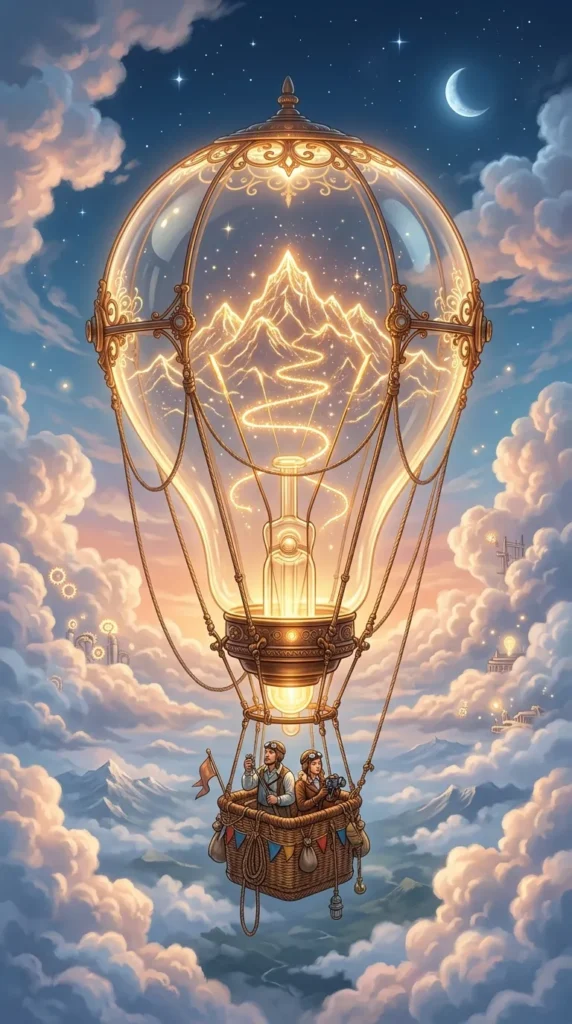
20. Floating Hot Air Balloon Above Soft Cloud Outlines
What This Idea Means
Hot air balloons represent wanderlust, peaceful adventure, and soaring above daily cares. The contrast between ornate balloon pattern lines and soft fluffy clouds creates a joyful composition.
How to Make It
- Draw a large inverted teardrop shape with a flat bottom for the main balloon envelope.
- Add vertical curved contour stripes running down the balloon to give it a rounded 3D appearance.
- Draw a tiny square basket underneath, connected to the balloon base by thin rigging lines.
- Surround the bottom and sides of the balloon with soft, overlapping cloud arcs.
Tips & Variations
- Tip: Draw geometric patterns (chevrons, polka dots, or diamonds) inside alternate balloon stripes.
- Variation: Add miniature birds flying in a V-formation in the far background.
What You Need
- 0.2mm and 0.4mm technical pens
- Fine art cardstock


Leave a Reply