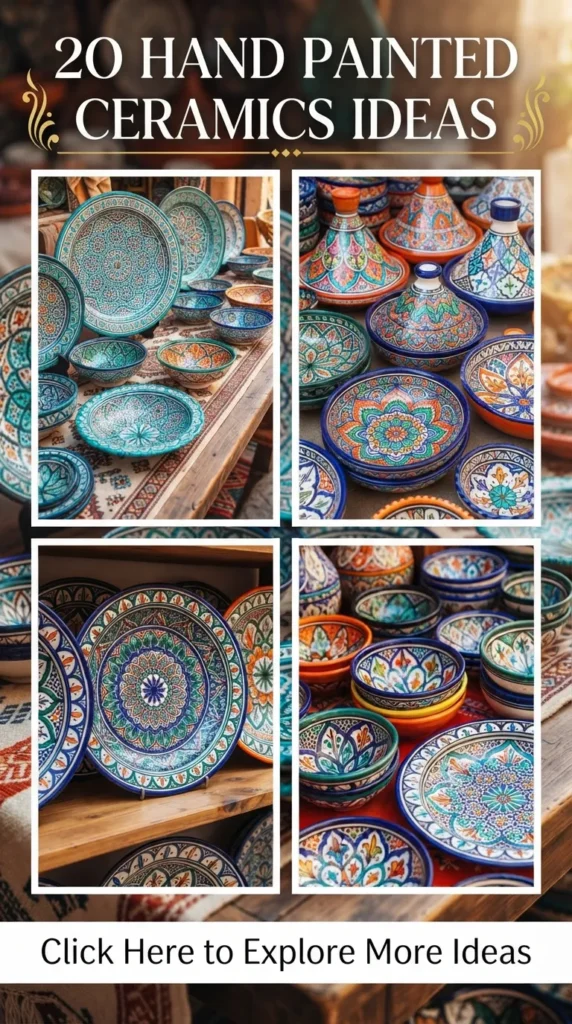
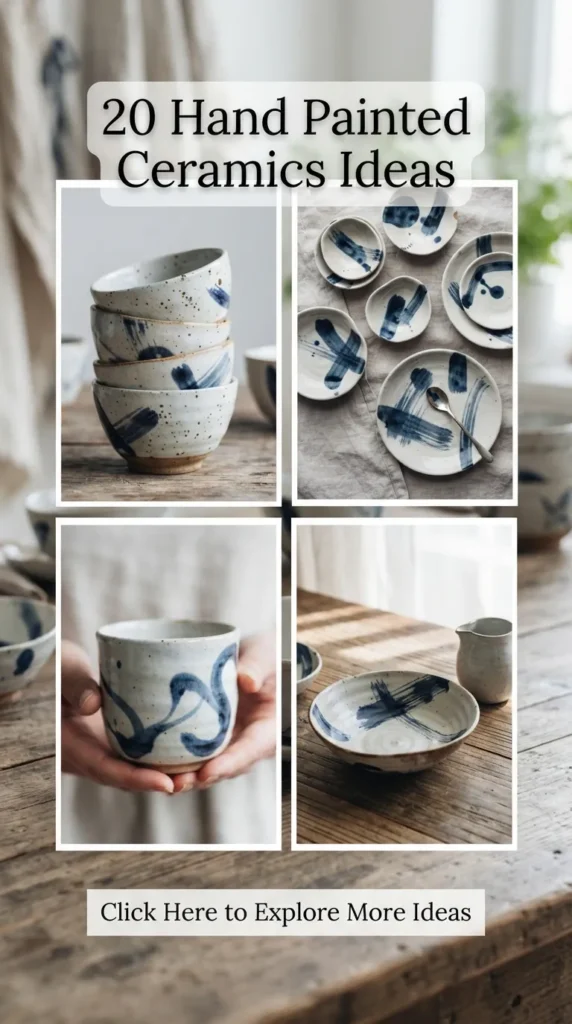
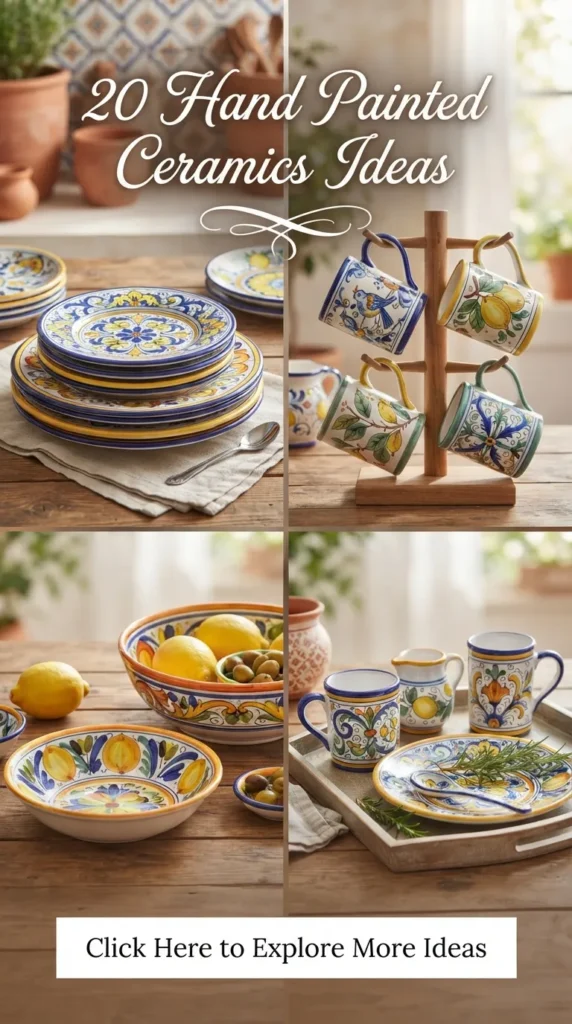
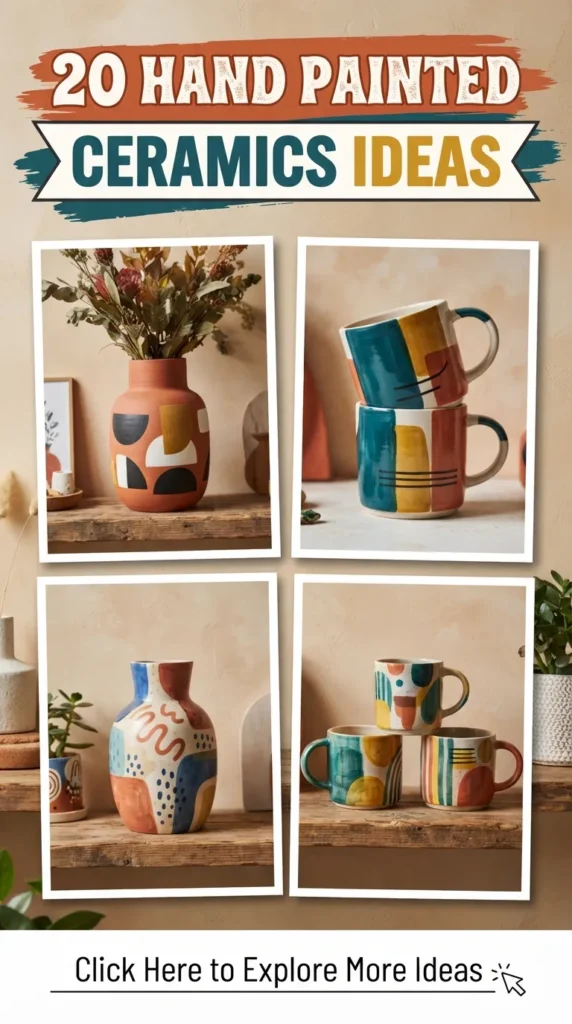
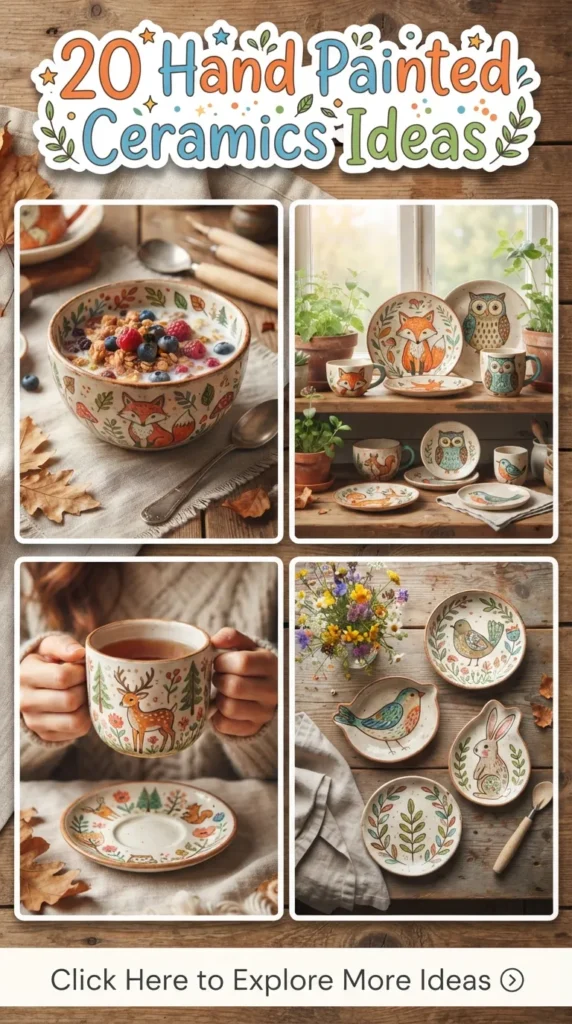
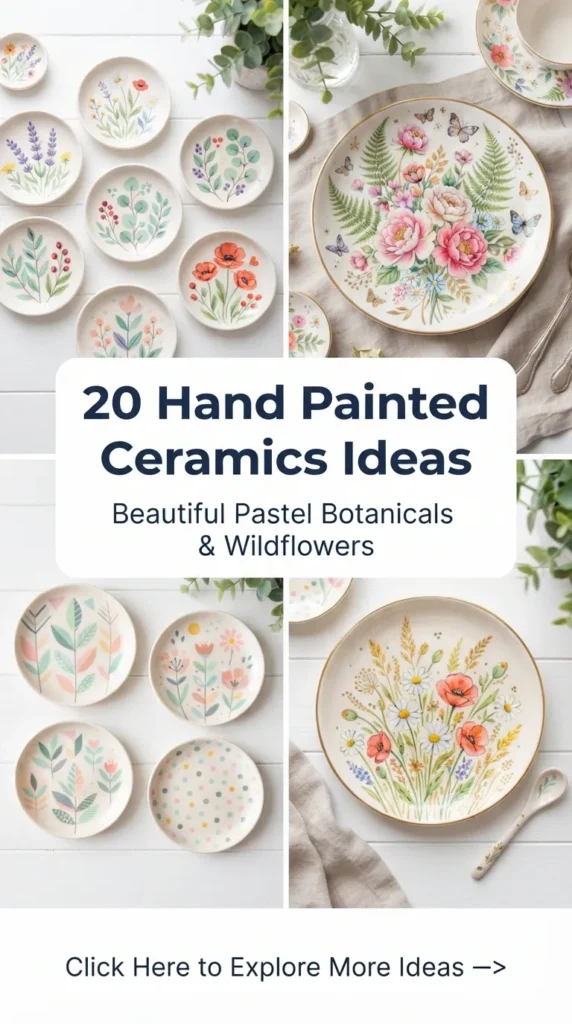
Hand-painted ceramics bridge the gap between everyday utility and fine art. In modern interior styling, artisanal pottery brings warmth, character, and tactile luxury into living spaces, kitchens, and dining areas. Whether you are working with bisqueware fired in a kiln, air-dry clay, or ceramic blanks cured in a home oven, customized ceramic pieces provide an elevated aesthetic that mass-produced homeware simply cannot replicate.
This comprehensive guide breaks down 20 modern, elegant, and Pinterest-worthy hand-painted ceramic projects. Each concept includes design philosophy, step-by-step creation methods, professional styling tips, and creative variations to inspire your next studio or home project.
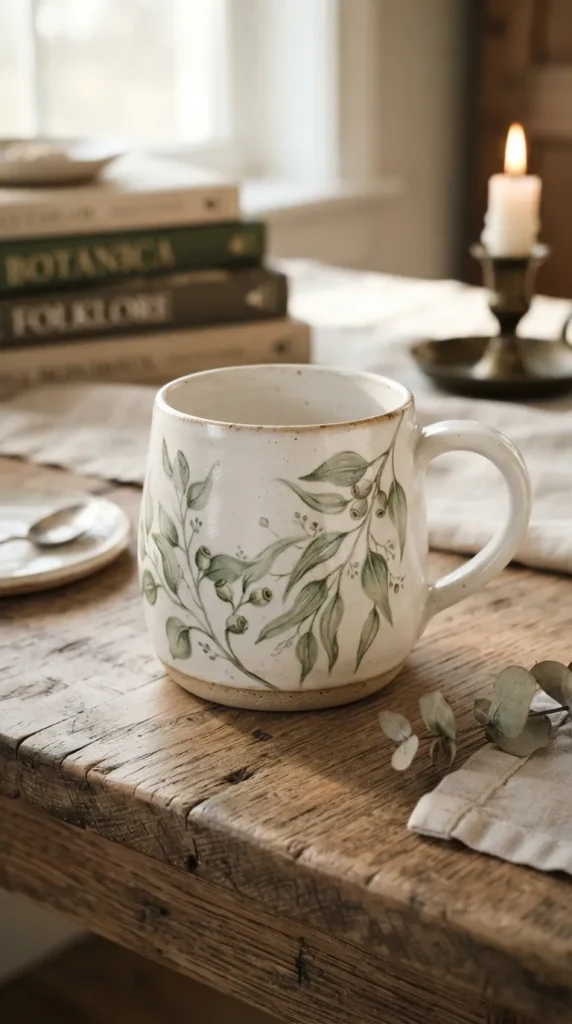
1. Minimalist Botanical Eucalyptus Mug
Botanical illustration on ceramic ware offers a timeless, organic look that complements Scandinavian, Japandi, and modern rustic interior styles. Using soft sage greens and delicate line work against an off-white stoneware surface creates a calming, earthy aesthetic perfect for morning routines.
What This Idea Means
This concept celebrates simplicity and nature. Rather than covering the entire vessel with dense patterns, the design relies on negative space, allowing the raw texture and warm undertones of the ceramic body to shine through while highlighting the organic flow of slender eucalyptus branches.
How to Make It
- Surface Prep: Clean a smooth bisque-fired or porcelain mug with isopropyl alcohol to remove dust and oils.
- Base Sketch: Lightly pencil the stem’s curved trajectory along the cup’s exterior.
- Underglaze Application: Mix sage green underglaze with a drop of water. Using a fine liner brush (size 0 or 1), paint the central curved branch.
- Leaf Detailing: Switch to a small round brush. Use gentle pressure to stamp and drag rounded eucalyptus leaves along the stem in alternating pairs.
- Firing/Baking: Apply a food-safe clear glossy or satin transparent glaze. Fire to the clay body’s maturing temperature (Cone 5/6 for stoneware), or heat-set in a standard oven if using specialty porcelain paints.
Tips and Variations
- Tip: Avoid loading too much glaze on the brush tip; thin, even strokes prevent bubbling during the glaze firing.
- Variations: Swap sage green for muted terracotta or olive drab; pair with 22k gold luster accents along the rim and handle for an elevated finish.
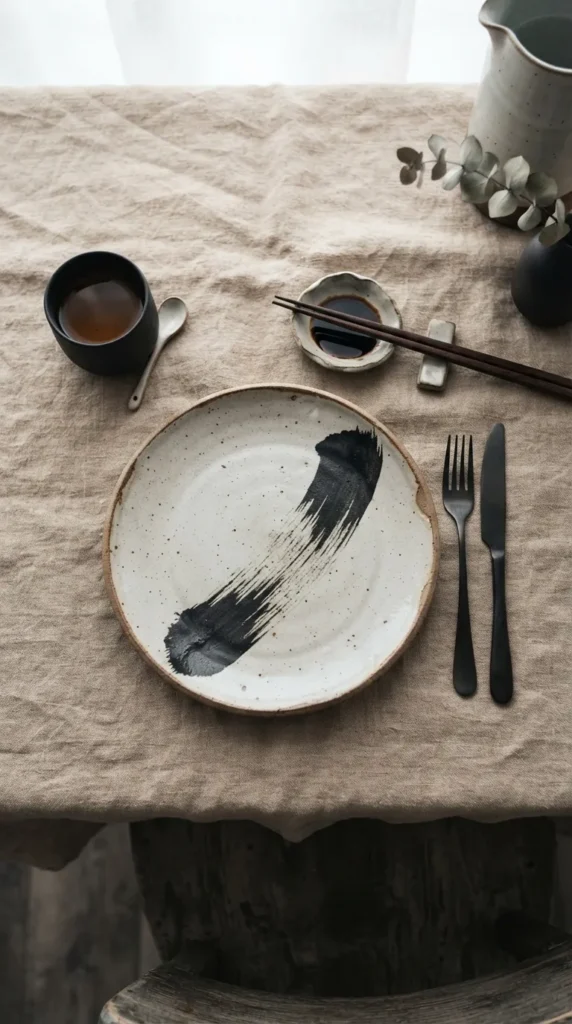
2. Japandi Earthy Brushstroke Dinner Plate
Japandi design merges Japanese wabi-sabi minimalism with Scandinavian functionality. A bold, fluid, single-stroke gesture across a textured stoneware plate captures spontaneous movement and balanced asymmetry.
What This Idea Means
This design emphasizes intentional imperfection and mindfulness. The single brushstroke represents presence and focus, creating an expressive focal point that turns everyday dining into a gallery experience.
How to Make It
- Select Base: Use a wide, flat rimless coupe plate with a sandy, speckled clay body.
- Prepare Pigment: Prepare a saturated iron-rich black or deep slate gray slip/underglaze.
- The Stroke: Using a traditional Japanese calligraphy brush (Hake or coarse horsehair), load pigment onto the bristles. In one continuous, confident sweep, pull the brush from one edge across two-thirds of the plate, allowing bristles to naturally taper and streak.
- Finishing: Coat the piece in a matte transparent or soft eggshell glaze to preserve the raw texture of the stroke.
Tips and Variations
- Tip: Practice your stroke on scrap cardboard or damp paper before painting the actual ceramic body.
- Variations: Paint an open circle (Ensō) instead of a linear sweep, or layer an indigo stroke over a warm taupe base glaze.
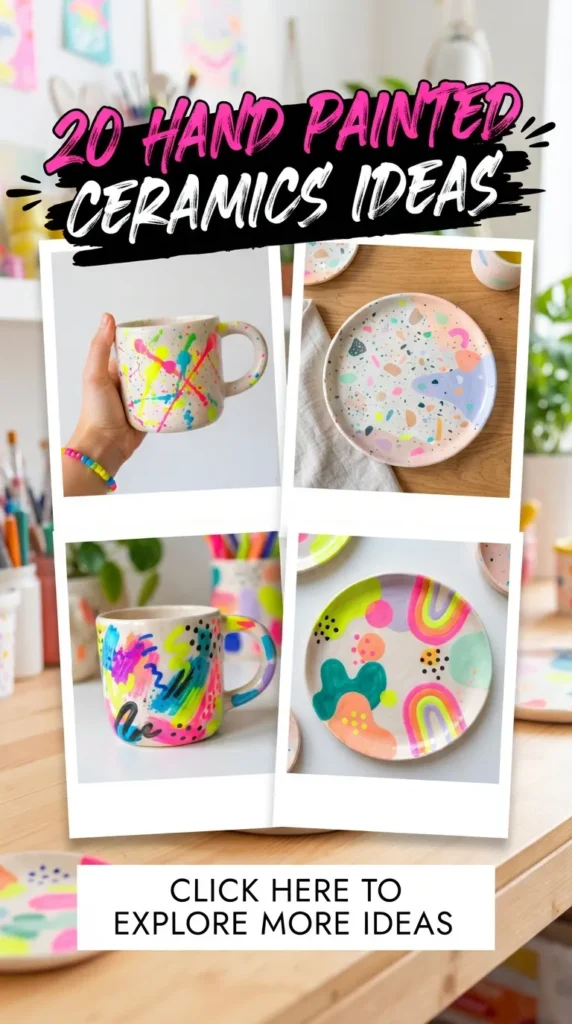
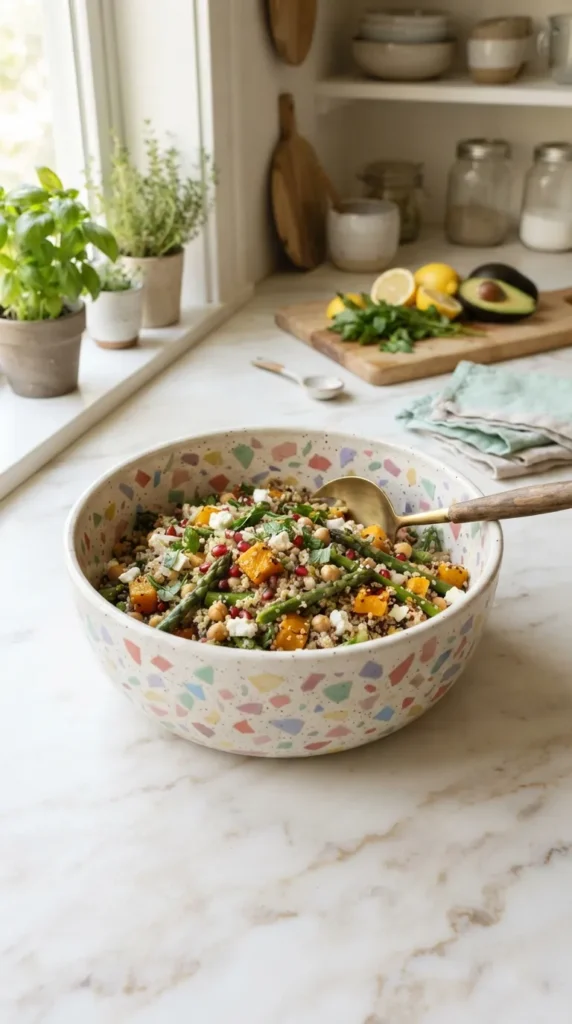
3. Abstract Pastel Terrazzo Serving Bowl
Terrazzo patterns offer playful sophistication. By hand-painting geometric chips and irregular speckles onto a clean ceramic bowl, you capture mid-century Italian flair with a contemporary pastel palette.
What This Idea Means
Modern terrazzo is an exercise in color balance and controlled randomness. Hand-painting each fragment gives the surface dynamic rhythm without feeling chaotic.
How to Make It
- Palette Selection: Choose 4 to 5 complementary pastel underglazes (e.g., dusty rose, pale butter yellow, soft mint, muted lavender, and warm charcoal).
- Painting Chips: Use flat square and angled detail brushes. Dab crisp, irregular triangular, rectangular, and curved shard shapes across the bisque bowl’s surface.
- Spacing: Leave generous negative white space between shards, clustering small groups naturally.
- Glazing: Cover with a high-gloss clear glaze to mirror polished architectural composite stone.
Tips and Variations
- Tip: Vary shard dimensions—combine larger accent shapes with tiny specks to create visual depth.
- Variations: Invert the palette by painting vibrant neon or metallic gold flecks onto a matte black ceramic base.
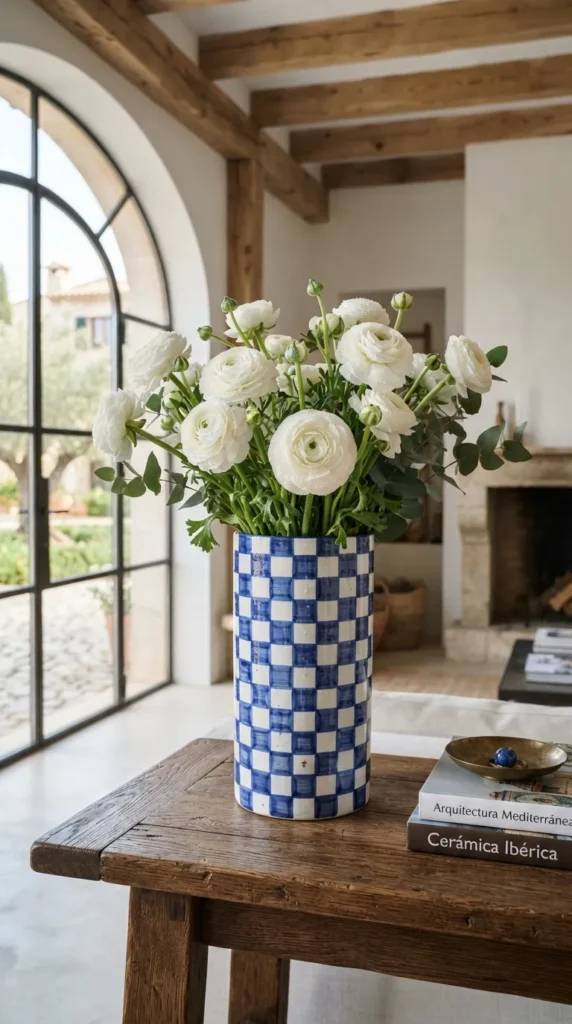
4. Mediterranean Cobalt Blue Checkerboard Vase
Checkered patterns are a massive trend across modern home styling. Combining bold checks with deep Mediterranean ultramarine gives a classic silhouette fresh, graphic energy.
What This Idea Means
This piece merges retro checkerboard motifs with traditional Southern European majolica and Delft pottery aesthetics. The juxtaposition of crisp geometry against a curved ceramic vessel makes it an eye-catching centerpiece.
How to Make It
- Grid Layout: Measure and pencil a balanced grid over the vase’s neck and body using flexible vinyl tape as a guideline.
- Painting: Using an opaque cobalt blue underglaze and a flat shader brush, fill alternating squares. Apply two even coats to prevent streaking.
- Wabi-Sabi Detailing: Allow subtle hand-painted wobble along the square edges for organic charm.
- Glaze: Finish with a high-shine clear glaze to deepen the cobalt pigment.
Tips and Variations
- Tip: Work in vertical quadrants to avoid smudging wet squares with your resting hand.
- Variations: Try a wavy, distorted grid (“melting checkerboard”) or swap cobalt blue for deep emerald green or chocolate brown.
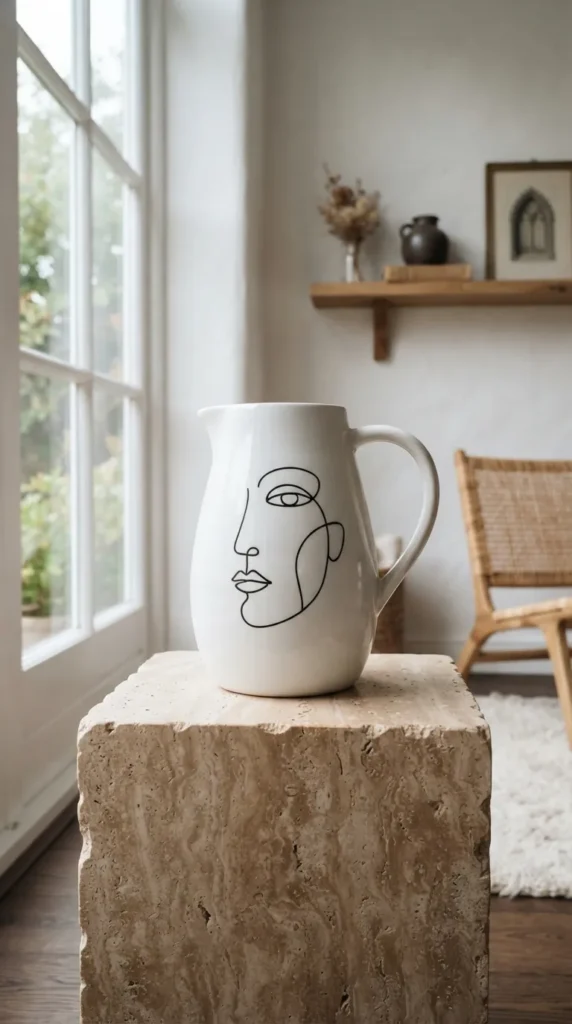
5. Modern Continuous Line Art Pitcher
Continuous line art focuses on flowing, unbroken contours to depict faces, figures, and abstract silhouettes. On a ceramic pitcher, it adds sleek mid-century gallery appeal.
What This Idea Means
Line art relies entirely on form, proportion, and fluid movement. It strips visual art down to essential lines, creating an elegant dialogue with the ceramic vessel’s structural curves.
How to Make It
- Form Selection: Select a tall, cylindrical ceramic pitcher with a matte white or raw cream stoneware base.
- Mapping: Sketch the continuous profile or abstract contour softly using an erasable graphite pencil.
- Inking: Using a fine ceramic paint marker or a rigger brush loaded with jet-black underglaze, trace the line in one smooth motion without lifting.
- Sealing: Seal with a clear satin glaze to retain a sophisticated, low-sheen architectural finish.
Tips and Variations
- Tip: Keep consistent brush pressure throughout the stroke to ensure uniform line weight.
- Variations: Add soft watercolor-like pastel wash blobs behind the black line work for a multi-layered modern gallery look.
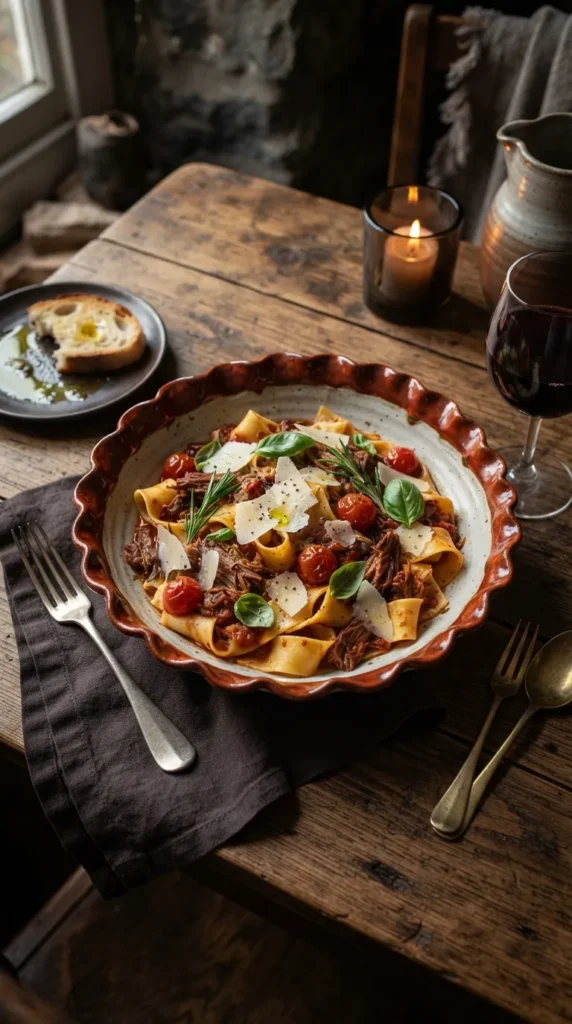
6. Organic Scalloped Rim Pasta Bowls
Scalloped edges and delicate accent borders bring whimsical French country charm into modern kitchen spaces. Hand-painting the undulating rim accentuates hand-built pottery profiles.
What This Idea Means
This design accentuates structural movement. By outlining the rim with contrasting hues or tonal washes, the soft, organic wave of the bowl becomes its main decorative feature.
How to Make It
- Base Creation: Use a pasta bowl with a gently fluted or hand-pinched wavy rim.
- Color Application: Choose a rich accent color like burnt sienna, mustard, or olive. Dip a round brush into the glaze and paint along the inner and outer curve of the scalloped rim.
- Drop Details: Add small painted dots or tiny tick marks right beneath each scallop crest.
- Finishing: Dip the entire vessel into a milky white semi-translucent glaze for an antique enamelware effect.
Tips and Variations
- Tip: Anchor your elbow on the work table and rotate the bowl on a banding wheel for smooth rim control.
- Variations: Paint alternating colors along each scallop wave, or run a fine 22k gold luster edge along the high points after the main glaze firing.
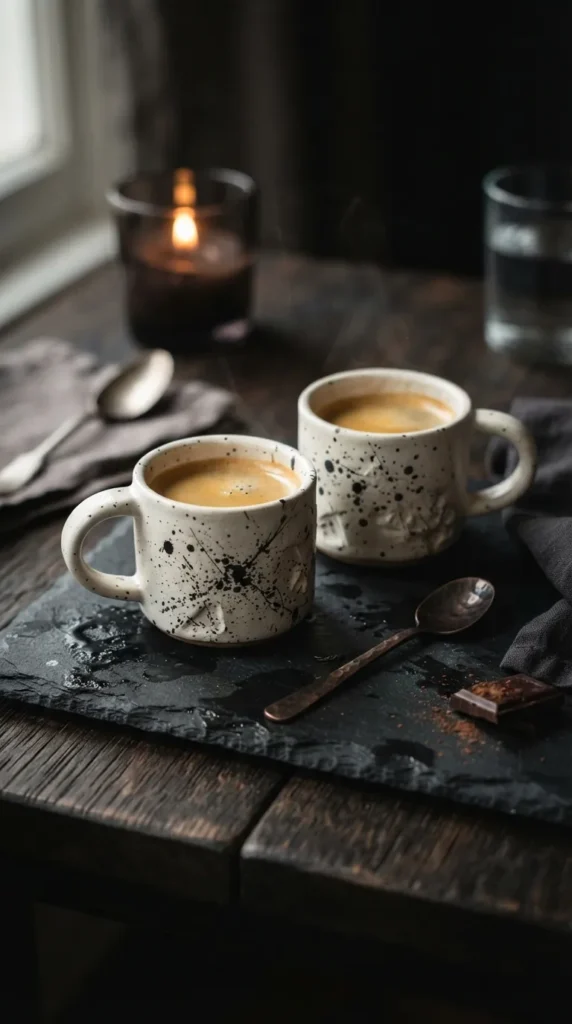
7. Moody Monochrome Splatter Espresso Cups
Splatter ware has transitioned from rustic camp gear to upscale contemporary ceramics. High-contrast monochromatic speckles create a casual, textured feel across small drinkware sets.
What This Idea Means
Monochrome splatter celebrates controlled chaos and organic texture. No two pieces are identical, offering bespoke character within a matching tableware set.
How to Make It
- Base Coat: Apply an even undercoat of satin off-white or light dove gray to bisque-fired espresso tumblers.
- Splatter Technique: Dip a stiff-bristled toothbrush or fan brush into thinned matte black underglaze.
- Application: Hold the brush 4–6 inches from the ceramic piece and flick the bristles using your thumb or a palette knife to disperse micro-droplets and larger expressive paint splashes.
- Glazing: Fire with a low-sheen matte transparent topcoat.
Tips and Variations
- Tip: Work inside an open cardboard box to contain stray glaze splatters.
- Variations: Invert colors by splattering creamy bone white across a matte charcoal or iron-black clay surface.
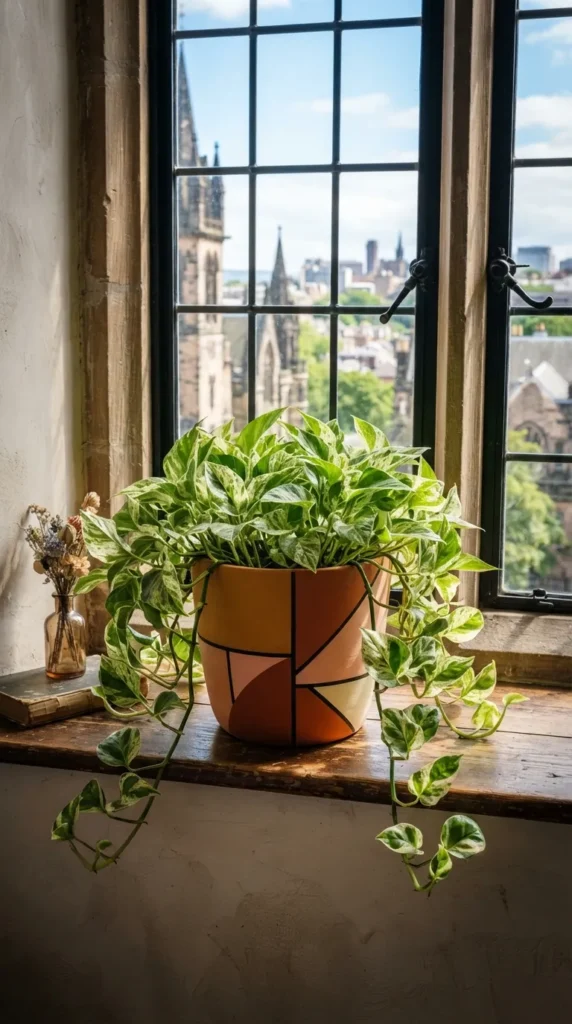
8. Sun-Drenched Ochre & Terracotta Geometric Planter
Warm, desert-inspired tones add immediate coziness to indoor plant collections. Geometric color blocking with warm earth pigments creates an understated bohemian focal point.
What This Idea Means
Drawing inspiration from Southwestern landscapes and Bauhaus geometry, this concept balances sharp angles and warm, comforting color blocks.
How to Make It
- Surface Prep: Sand raw terracotta or bisque planter surfaces smooth.
- Masking: Use low-tack painter’s tape to divide the cylinder into diagonal sections, half-circles, and horizontal bands.
- Layering Color: Fill sections with rich ochre, warm terracotta, blush pink, and cream underglazes. Apply 2–3 thin coats for full opacity.
- Tape Removal: Peel painter’s tape while the glaze is slightly damp to avoid chipping crisp lines.
- Finishing: Leave the exterior unglazed for an earthy matte finish, or coat with satin sealer.
Tips and Variations
- Tip: Seal the planter interior with waterproof silicone or clear glaze to prevent moisture from seeping behind exterior paint layers.
- Variations: Introduce a deep charcoal gray section to provide a modern, high-contrast anchor point.
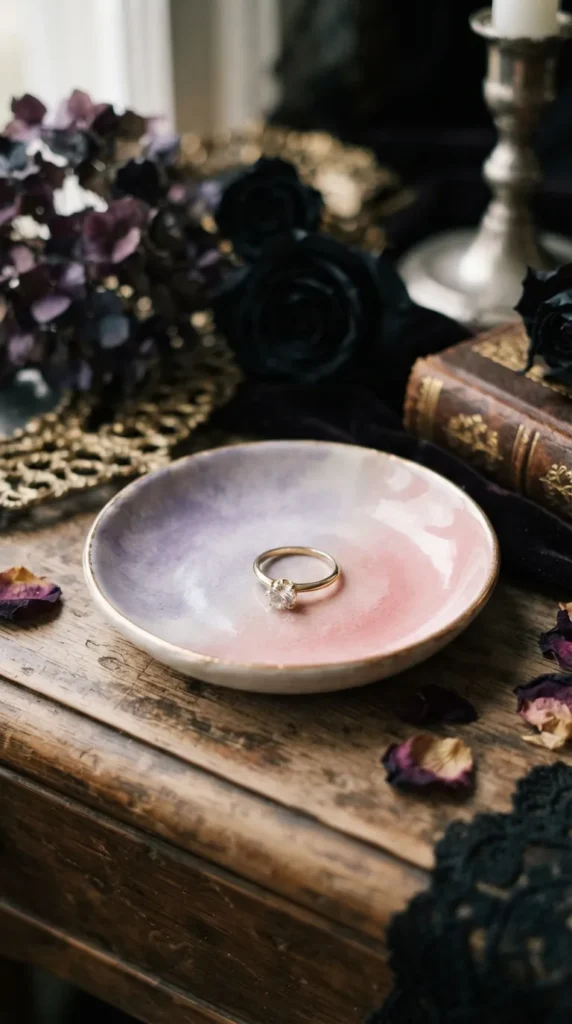
9. Soft Ombré Watercolor Trinket Dishes
The watercolor wash technique on ceramics creates gentle gradients and ethereal color transitions, turning small vanity dishes into luminous art accents.
What This Idea Means
This style mimics the soft dispersion of watercolor paint on wet paper. Blending delicate pigments creates a soothing, dreamy aesthetic suitable for ring dishes and bedside trays.
How to Make It
- Base Dampening: Lightly sponge a smooth bisque dish with clean water.
- Color Loading: Dilute lavender, blush, or sky blue underglaze with water to create a translucent wash.
- Gradient Blend: Paint the saturated pigment along the outer edge. Use a wet mop brush to pull the color toward the center, tapering the intensity into the white base.
- Glaze: Finish with a crystal-clear gloss glaze to magnify color depth and luminosity.
Tips and Variations
- Tip: Avoid over-saturating bisque clay with excess water, which can weaken structural integrity before firing.
- Variations: Blend two complementary colors together (such as rose pink into soft apricot) at the dish center.
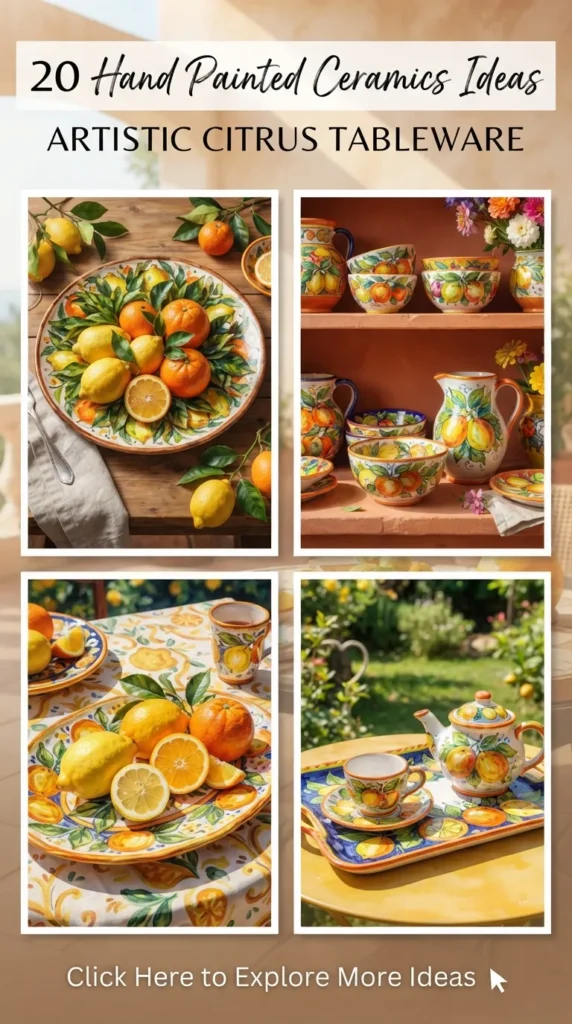
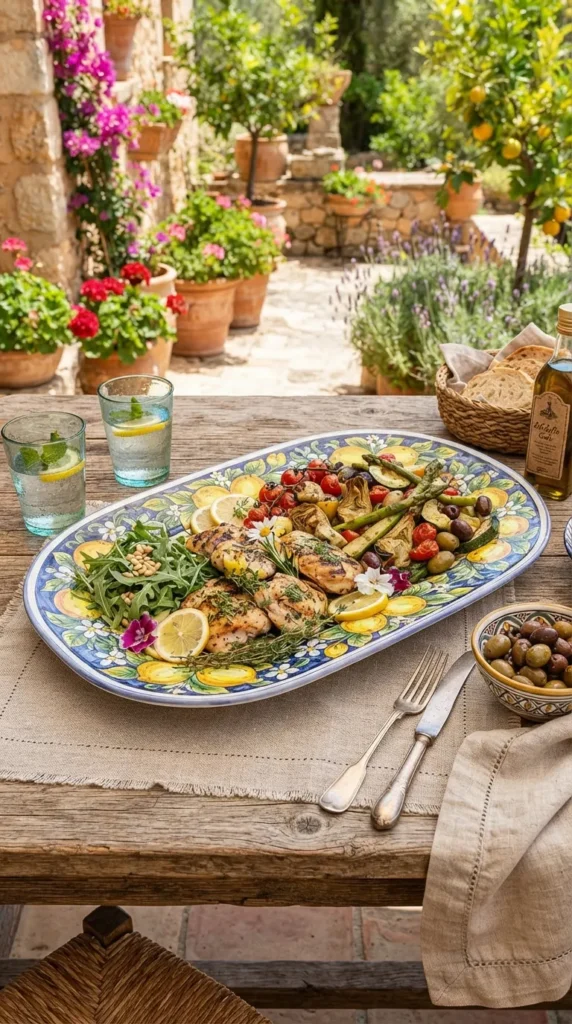
10. Whimsical Citrus & Lemon Ceramic Platter
Vibrant lemon motifs bring sunny Mediterranean warmth directly onto dining tables. Bold yellow fruit against deep green leaves feels fresh, inviting, and effortlessly chic.
What This Idea Means
This design celebrates coastal Italian and Spanish tableware traditions. Hand-painted citrus fruits provide bold, mood-boosting energy suited for summer entertaining.
How to Make It
- Platter Selection: Use an oblong or oval ceramic serving platter.
- Citrus Layout: Paint clusters of bright cadmium yellow ovals and crescent lemon slices across the platter corners and borders.
- Foliage & Florals: Add deep forest-green leaves with visible vein details, along with tiny white orange blossoms with yellow pistil dots.
- Border Trim: Finish the outer platter rim with a hand-painted matching yellow or cobalt blue border line.
- Glaze: Cover with a food-safe high-gloss glaze.
Tips and Variations
- Tip: Add a drop of warm brown underglaze to lemon stems and leaf tips to mimic realistic botanical textures.
- Variations: Paint blood oranges, figs, or pomegranates for a richer, autumnal dining aesthetic.
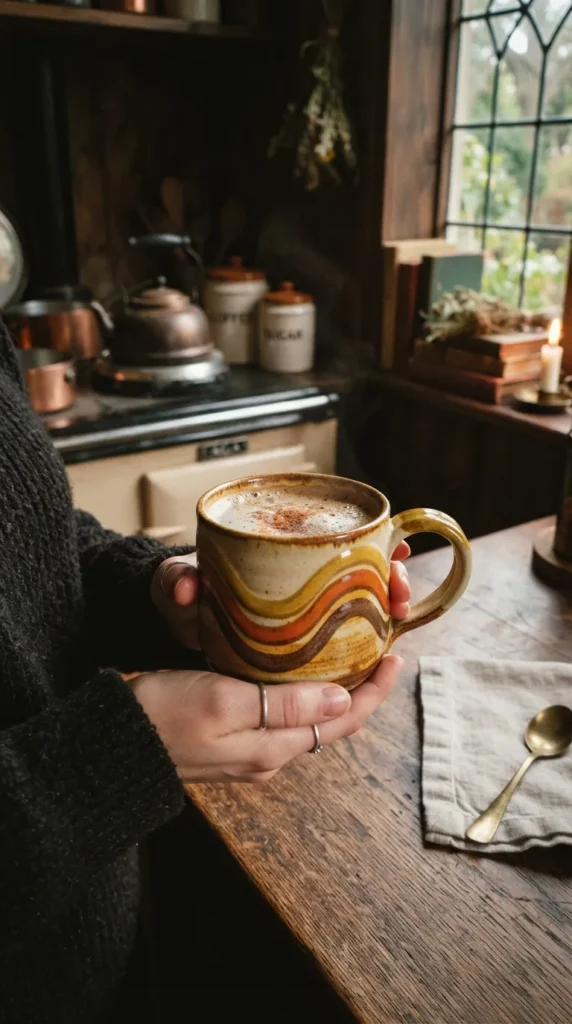
11. 70s Retro Wavy Groovy Coffee Mug
Retro 1970s design aesthetics are making a massive comeback in contemporary homeware. Flowing waves, stacked arches, and warm retro hues bring joyful nostalgia to morning coffee rituals.
What This Idea Means
This concept blends curvy mid-century typography and retro textile patterns. The flowing, wave-like stripes emphasize the tactile curvature of the mug body.
How to Make It
- Color Palette: Select 1970s-inspired tones: mustard yellow, burnt orange, olive green, cream, and chocolate brown.
- Sketching Waves: Use light pencil lines to sketch continuous, undulating parallel wave bands wrapping around the cup.
- Painting Bands: Using flat square brushes matching the width of the bands, carefully fill each wavy stripe with opaque underglaze.
- Glaze & Fire: Finish with a glossy transparent glaze to highlight rich retro pigment saturation.
Tips and Variations
- Tip: Clean brush lines with a rubber-tipped clay shaper tool while glaze is leather-hard.
- Variations: Create concentric stacked rainbow arches on one side of the mug instead of wrapping horizontal waves.
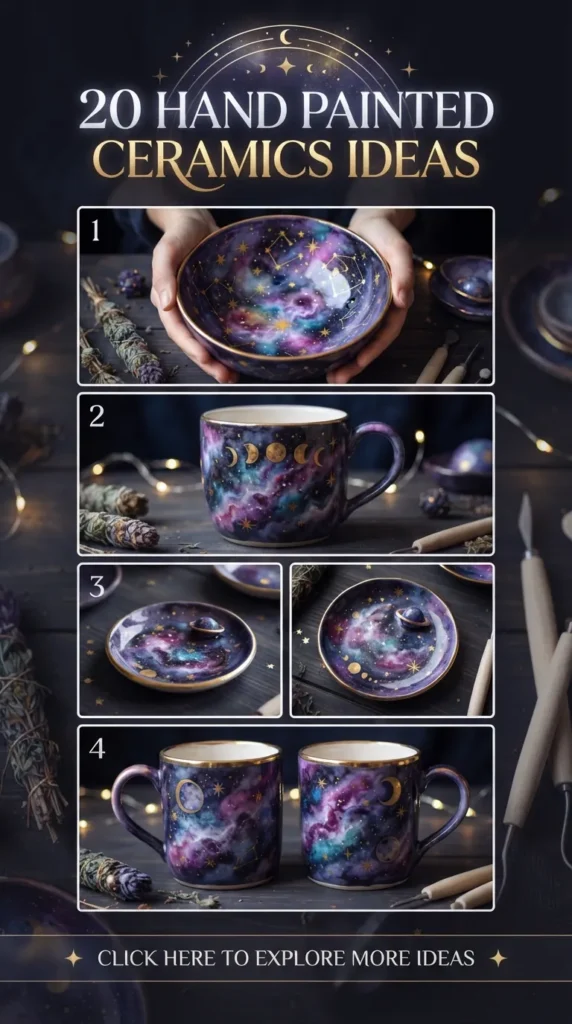
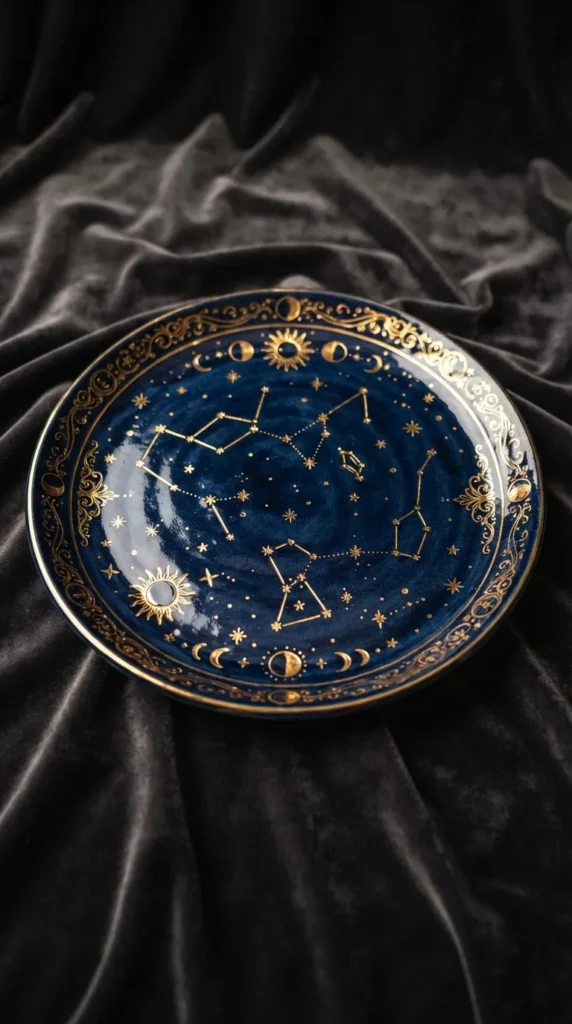
12. Celestial Gold Luster & Star Constellation Plate
Cosmic themes mixed with fine precious metal lusters create an opulent, boutique-hotel aesthetic for decorative wall plates and appetizer platters.
What This Idea Means
Celestial ceramics evoke nighttime mystery and elegance. The contrast between deep midnight glazes and gleaming gold luster highlights delicate detail work.
How to Make It
- Base Glaze: Glaze fire the ceramic plate in deep midnight navy, matte black, or cosmic dark indigo.
- Luster Preparation: Ensure the fired surface is spotless. Work in a well-ventilated space with real overglaze gold luster.
- Painting Stars: Using an ultra-fine detail brush, paint starbursts, crescent moons, and constellation dots connected by hair-thin lines.
- Third Firing: Fire the piece in a dedicated luster firing (Cone 018–022) to bond the pure metallic gold onto the glaze.
Tips and Variations
- Tip: Apply luster sparingly; thin coats yield a mirror-like shine, whereas excessively thick applications can bubble.
- Variations: Combine silver or platinum luster with mother-of-pearl overglaze for an iridescent moonlit finish.
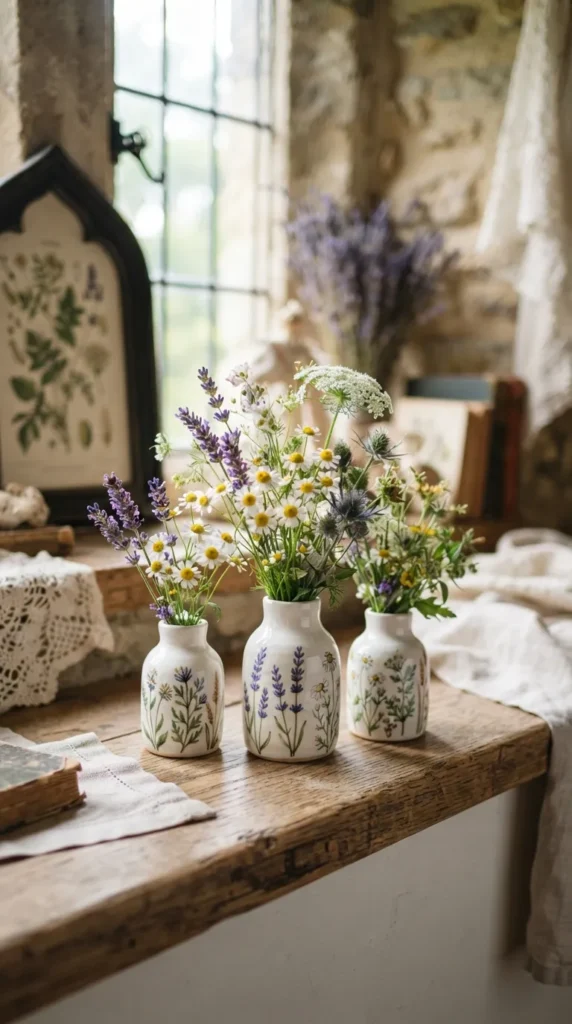
13. Dainty French Wildflower Bud Vases
Delicate meadow florals scattered over porcelain bud vases bring effortless cottagecore elegance to modern minimalist shelves and tablescapes.
What This Idea Means
This style honors simple field florals—chamomile, poppies, lavender, and buttercups. The delicate, scattered pattern provides an airy, romantic feel.
How to Make It
- Vessel Selection: Choose miniature white porcelain or light cream stoneware bud vases.
- Stems & Stalks: Using a fine liner brush and sap green underglaze, paint thin, meandering botanical stems rising from the base.
- Petal Detailing: Use small round brushes to stamp tiny petals—white daisy rays, yellow buttercup heads, and lilac lavender clusters.
- Glaze Coating: Seal with a soft satin clear glaze for a natural, unpretentious finish.
Tips and Variations
- Tip: Stagger flower heights across the vessel to create an organic, meadow-like growth pattern.
- Variations: Paint the entire vase in a single floral variety (e.g., all mini French lavender stems) for a refined graphic statement.
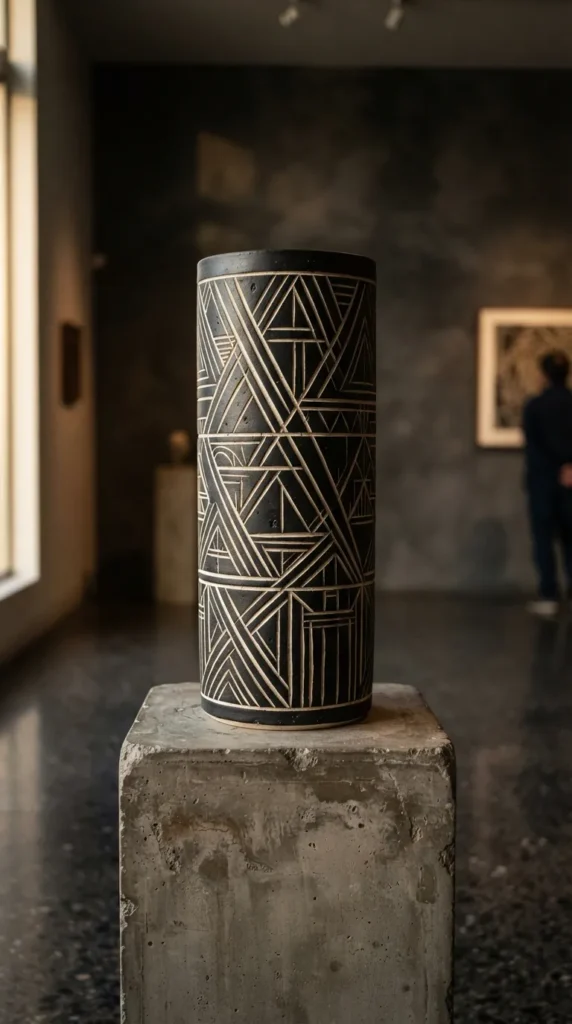
14. Modernist Matte Black Sgraffito Vase
Sgraffito (carving through an unfired glaze or slip to reveal the clay beneath) creates stunning architectural contrast and deep physical texture on ceramic vases.
What This Idea Means
Sgraffito turns paint into a relief sculpture. Contrasting a dark matte slip with an underlying pale clay body produces crisp graphic art with engaging tactile depth.
How to Make It
- Slip Application: When the pottery vase is leather-hard, brush 3 opaque coats of black porcelain slip or dark underglaze over the exterior.
- Carving Design: Once the slip is dry to the touch, use a loop sgraffito tool or fine stylus to carve geometric arches, tribal motifs, or abstract botanical lines.
- Cleaning: Brush away carved clay crumbs with a soft, dry makeup brush.
- Firing: Bisque and glaze fire with clear glaze inside for water tightness, leaving the carved exterior raw and matte.
Tips and Variations
- Tip: Carve when the clay is firm leather-hard—if too wet, lines will drag; if too dry, clay will chip.
- Variations: Apply white slip over a dark terracotta clay body for warm, rustic contrast.
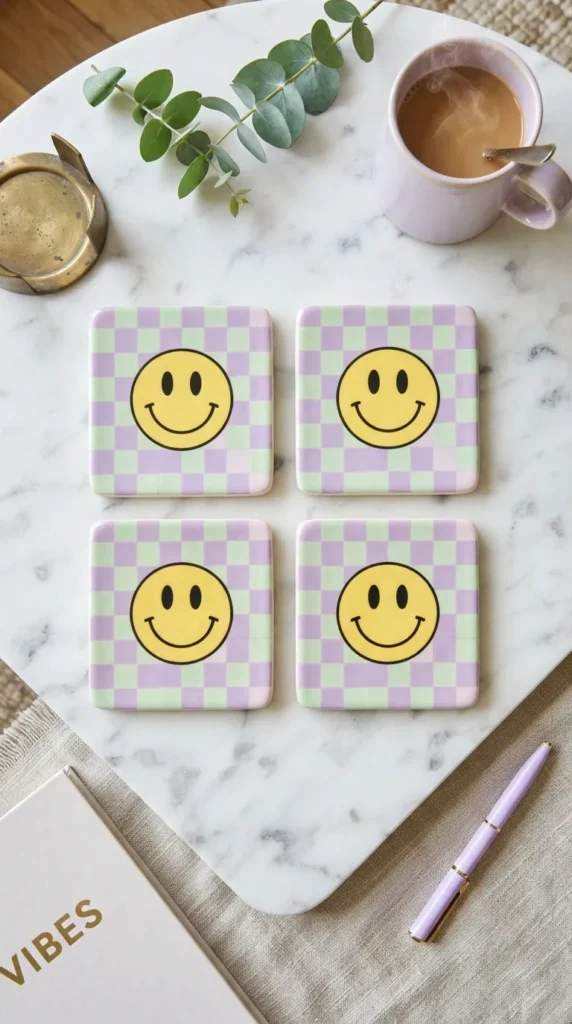
15. Checkered Pastel & Smiley Face Coasters
Playful, nostalgic, and trend-forward, Y2K-inspired pastel checkerboards combined with quirky pop motifs brighten coffee tables and desk setups.
What This Idea Means
This trend balances Gen-Z aesthetics with refined craft. Soft pastel palettes keep energetic pop icons feeling stylish rather than juvenile.
How to Make It
- Base Tiles: Use 4-inch square or round flat ceramic bisque coaster blanks.
- Grid Pattern: Paint a soft checkerboard using lilac and pastel mint green or baby pink and creamy butter yellow.
- Center Motif: In the center, paint a retro yellow smiley face, melting flower, or bold daisy motif over the checkers.
- Protective Finish: Apply a glossy waterproof glaze, and glue natural cork backing to the base after firing.
Tips and Variations
- Tip: Use a ceramic circle stencil or compass pencil to ensure the central smiley face stays symmetrical.
- Variations: Paint each coaster in the set with a different pastel color scheme to create a coordinated mix-and-match collection.
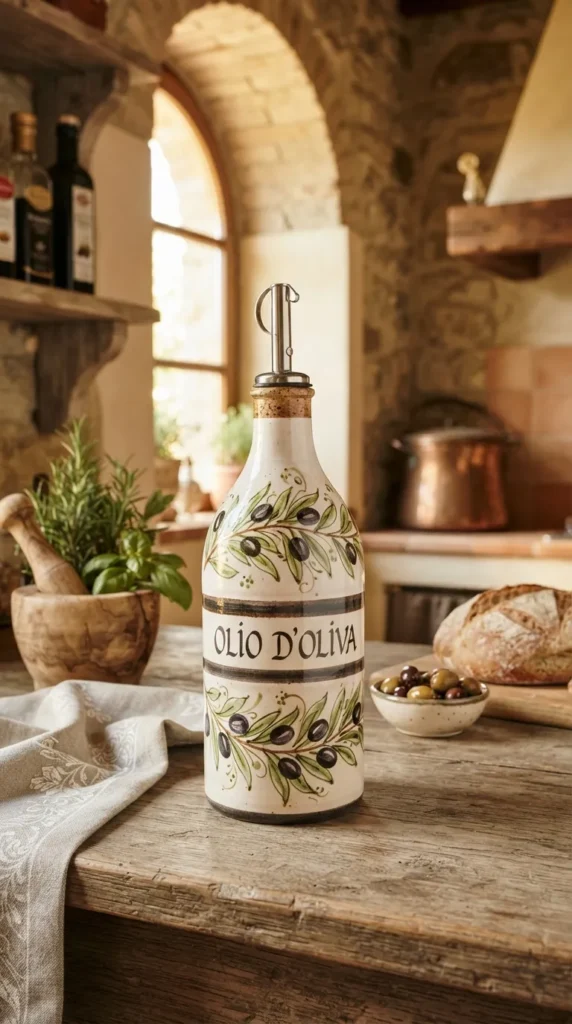
16. Mediterranean Olive Branch Olive Oil Bottle
Handmade ceramic oil cruets with botanical olive branches add rustic Tuscan farmhouse elegance to kitchen countertops and dining tables.
What This Idea Means
Celebrating Mediterranean food culture, this design pairs practical kitchenware with classic botanical illustrations of leafy olive branches and ripe fruit.
How to Make It
- Bottle Prep: Clean a bisque oil cruet with a pour spout opening.
- Branch Layout: Paint intertwining olive branches curling vertically around the bottle body using muted olive-drab and moss greens.
- Olive Details: Add small oval olives in deep eggplant-black and plum-violet, complete with tiny highlight reflections.
- Accent Lines: Paint thin accent stripes around the neck and base of the bottle.
- Glazing: Fire with a food-safe high-gloss clear glaze and insert a stainless steel pour spout.
Tips and Variations
- Tip: Slightly thin your leaf glaze to achieve subtle tonal watercolor variations in each leaf stroke.
- Variations: Include Italian typography labels like “Olio d’Oliva” in elegant hand-painted script across the center.
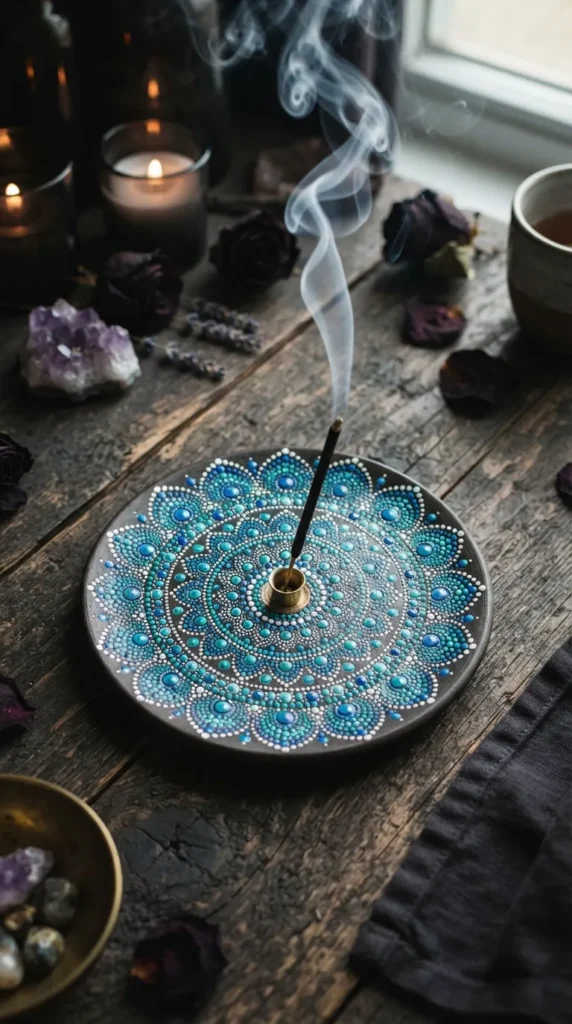
17. Hand-Dotted Mandala Ceramic Incense Holder
Intricate dot art mandalas transform small incense burners into tranquil meditation accents, showcasing precise symmetry and rhythmic color arrangements.
What This Idea Means
Mandala painting represents balance, unity, and harmony. The meditative process of dotting produces mesmerizing optical dimension.
How to Make It
- Center Point: Locate the center hole of a round ceramic incense catcher.
- Dotting Tools: Use graduated dotting stylus tools or the ends of drill bits.
- Building Layers: Dip the tool into turquoise, teal, white, and gold porcelain paint. Place rhythmic concentric rings of dots radiating outward from the center, stepping up dot sizes gradually.
- Heat Setting: Cure the paint according to manufacturer instructions (air-dry or oven bake) or fire in a kiln if using specialty underglazes.
Tips and Variations
- Tip: Wipe your dotting stylus clean between every dip to keep dot edges sharp and uniform.
- Variations: Paint dots in an ombre monochrome gradient from jet black to pearl white over an earthy terracotta base.
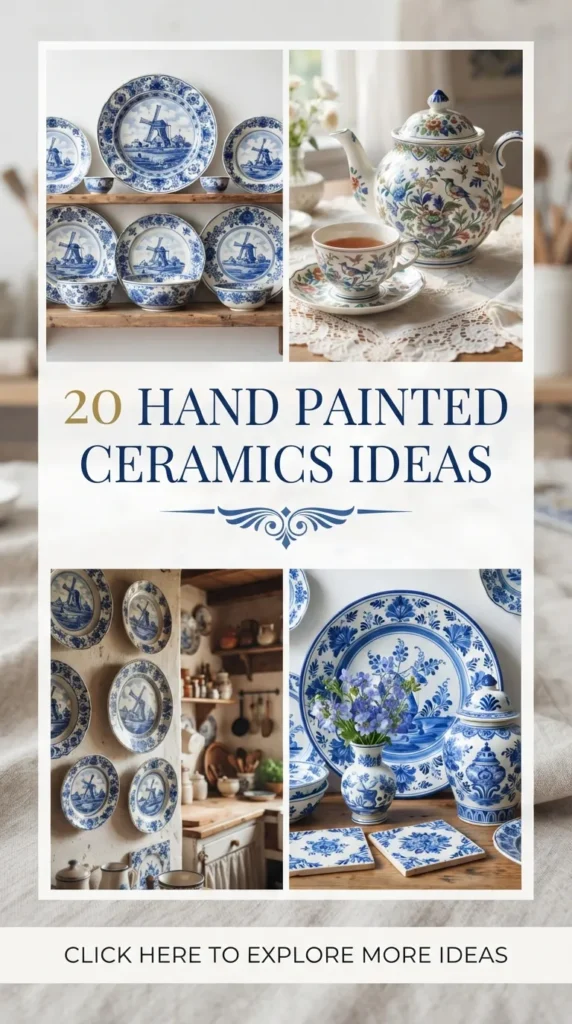
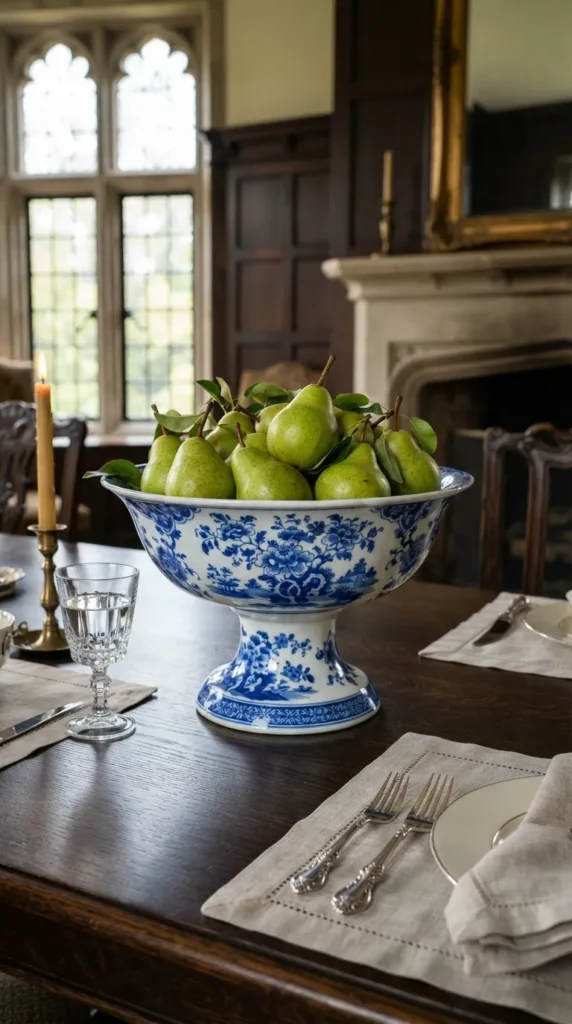
18. Modern Cobalt Blue Chinoiserie Pedestal Bowl
Classic 17th-century Chinoiserie and willow patterns reimagined through modern botanical sketches bring timeless luxury to ceramic pedestal fruit bowls.
What This Idea Means
This design honors traditional blue-and-white porcelain heritage while refreshing the motifs with looser, modern floral illustrations and clean negative space.
How to Make It
- Form Choice: Use a wide-rimmed ceramic footed bowl.
- Underglaze Mixing: Use rich cobalt blue underglaze, diluting batches to varying densities to create light, medium, and dark blue values.
- Painting Motifs: Illustrate sprawling peonies, cherry blossom branches, and birds across the interior bowl surface using delicate layered brush strokes.
- Glaze: Finish with an ultra-glossy clear porcelain glaze for a glass-like shine.
Tips and Variations
- Tip: Use a ceramic wash technique—outline shapes in dark cobalt and fill petals with watery, light cobalt washes for depth.
- Variations: Paint the design on the exterior of the bowl and leave the interior pure, glossy white.
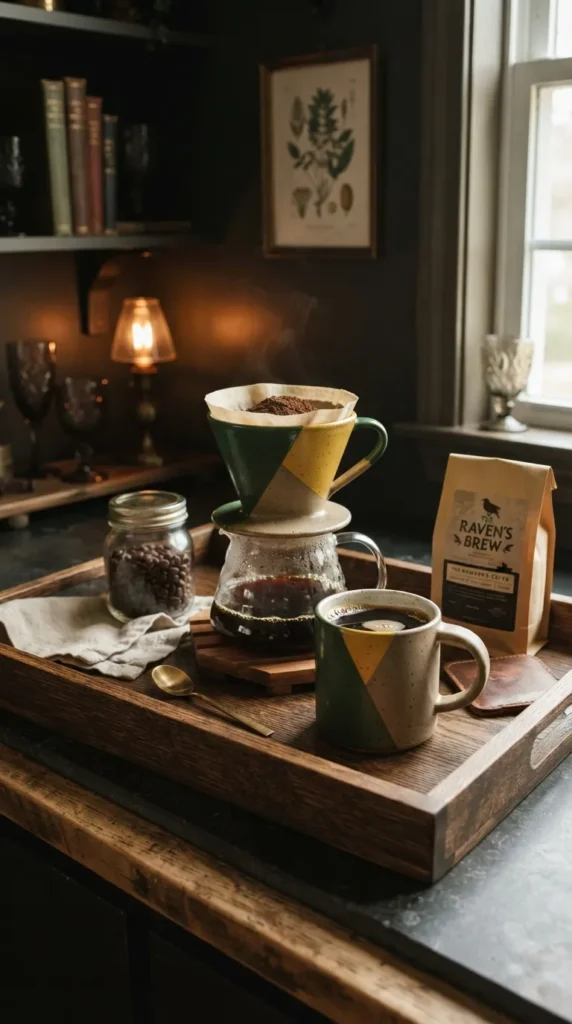
19. Bold Color Block Coffee Dripper & Mug Set
Functional pour-over coffee stations look incredible with clean, color-blocked modern architectural palettes, turning morning brewing into an aesthetic design ritual.
What This Idea Means
Inspired by mid-century modern design and Bauhaus color theory, this concept uses confident geometric segments to highlight the functional components of the brew set.
How to Make It
- Matching Ware: Work with a matching ceramic pour-over cone and straight-sided mug.
- Color Blocking: Use masking tape to map diagonal splits, half-circles, and solid color quadrants.
- Application: Paint segments in contrasting modern tones—mustard yellow, cobalt blue, forest green, warm clay, and dove gray.
- Glaze Finish: Pair a glossy glaze on color-blocked areas with a raw matte clay base on the bottom third.
Tips and Variations
- Tip: Apply 3 thin, even coats of each color block to ensure fully opaque, streak-free coverage.
- Variations: Keep all color blocks within an all-neutral monochromatic palette (cream, taupe, slate, charcoal).
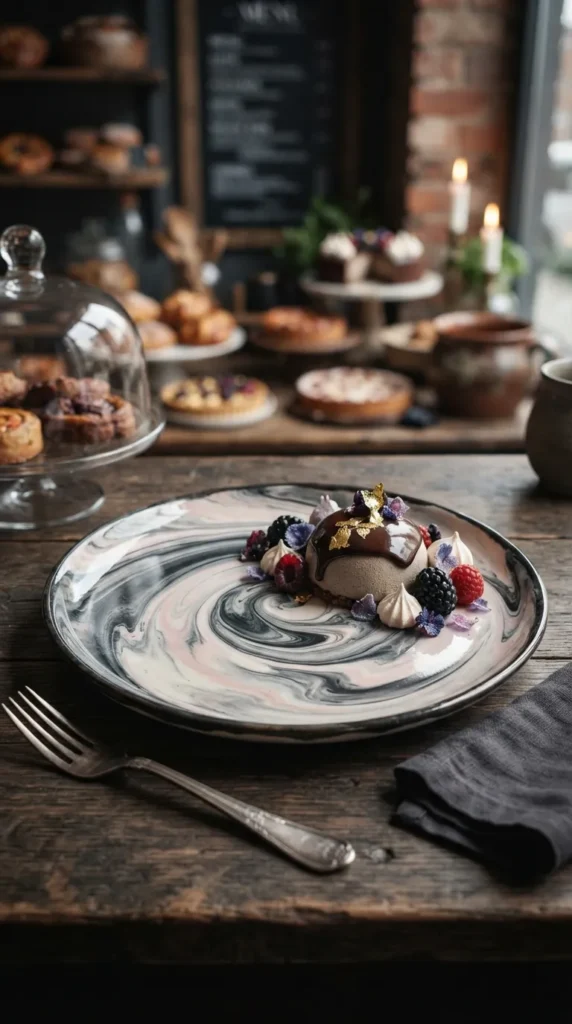
20. Artisanal Marbled Swirl Dessert Plates
Organic marbling captures the dynamic movement of natural stone, agate, and fluid currents, creating one-of-a-kind art pieces for dessert tables.
What This Idea Means
Swirled fluid patterns mimic natural geological formations. The flowing lines create an effortless, high-end organic aesthetic.
How to Make It
- Glaze Marbling / Trailing: Apply a generous layer of wet white underglaze or slip onto the surface of a flat bisque plate.
- Trailing Colors: While wet, trail lines of charcoal, blush, and warm ochre slips directly onto the surface using squeeze bottles.
- Swirling: Tilt and gently shake the plate in circular motions, or drag a fine feathering needle lightly through the wet slips to create marbled patterns.
- Drying & Glaze: Allow the piece to dry slowly to prevent cracking, then fire with a clear crystal glaze.
Tips and Variations
- Tip: Work quickly while the base slip is still wet so colors blend seamlessly across the surface.
- Variations: Combine metallic gold overglaze veins along the marbled seams in a secondary luster firing.